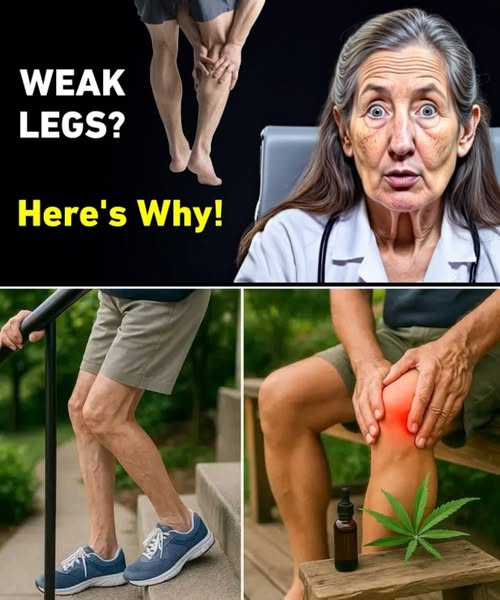
What it is: Stiffness, pain, or inflammation in knees, hips, or ankles can reduce leg strength.
Signs: Difficulty bending or straightening knees, swelling, and discomfort during movement.
What to do: Low-impact exercises like swimming or cycling, anti-inflammatory diet, physical therapy, or medications if prescribed.
5. Medication Side Effects
What it is: Some blood pressure drugs, statins, or sedatives can cause muscle weakness.
Signs: Weakness develops after starting a new medication.
What to do: Consult your doctor—do not stop medication on your own. They may adjust dosage or prescribe alternatives.
6. Vitamin D & Mineral Deficiencies
What it is: Low vitamin D, calcium, or magnesium can reduce bone and muscle strength.
Signs: Fatigue, bone pain, frequent falls, or difficulty standing from sitting.
What to do: Get blood levels checked. Increase exposure to sunlight, eat fortified foods, or take supplements if recommended by a doctor.
Extra Tips for Stronger Legs After 60
Regular walking or light cardio to maintain circulation.
Stretching daily to improve flexibility and balance.
Staying hydrated to prevent muscle cramps.
Using a cane or support if balance is a concern to prevent falls.
Weak legs can sometimes signal serious health issues, so persistent or sudden weakness warrants a medical checkup.
