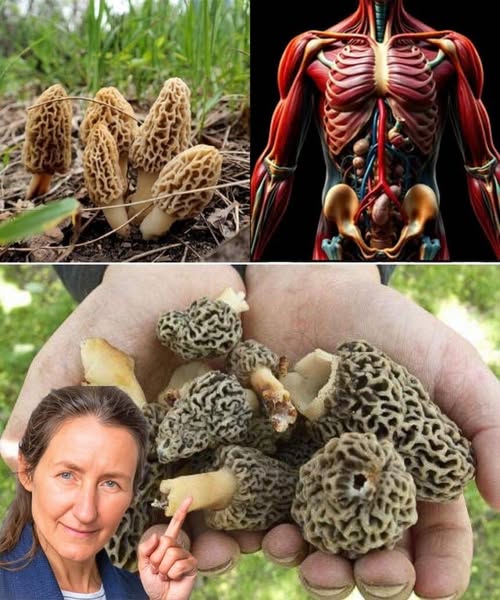
Boosts Immunity – Antioxidants and polysaccharides strengthen the immune system and help fight infections.
Supports Brain Health – Compounds in morels may reduce oxidative stress and support cognitive function.
Enhances Heart Health – Potassium and fiber contribute to healthier blood pressure and cholesterol levels.
Promotes Bone Strength – Naturally high in vitamin D, morels help reduce the risk of osteoporosis.
Aids Digestion – Their fiber content supports healthy digestion and prevents constipation.
Rich in Antioxidants – Protects cells from oxidative damage, slowing signs of aging.
Potential Anti-Cancer Properties – Early research suggests that bioactive compounds in morels may help inhibit tumor growth.
Culinary Uses: How to Cook and Enjoy Morel Mushrooms
Morels are highly versatile and can be used in a variety of gourmet dishes:
Sautéed Morels – Cook lightly in butter or olive oil with garlic and herbs.
Morel Risotto – Stir chopped morels into creamy risotto for rich umami flavor.
Morel Soup – Simmer with broth, onions, and cream for a comforting dish.
Stuffed Morels – Fill large morels with cheese, breadcrumbs, and herbs.
Morel Pasta – Toss with pasta, Parmesan, and a light cream sauce.
Tips for Foraging Morel Mushrooms
Season – Found in spring, especially after warm rains.
Location – Thrive near dead or decaying trees such as elm, ash, and apple.
Identification – True morels have a honeycomb-like cap; beware of false morels, which can be toxic.
Cleaning – Rinse gently and pat dry to remove dirt and insects.
Conclusion
Morel mushrooms are more than just a rare culinary delicacy—they’re a nutritional powerhouse with benefits for the immune system, heart, bones, and beyond. Whether you forage them in the wild or source them from specialty markets, morels bring both extraordinary flavor and valuable health benefits to the table. Embracing these seasonal treasures can transform your cooking and contribute to overall wellness.
