Introduction
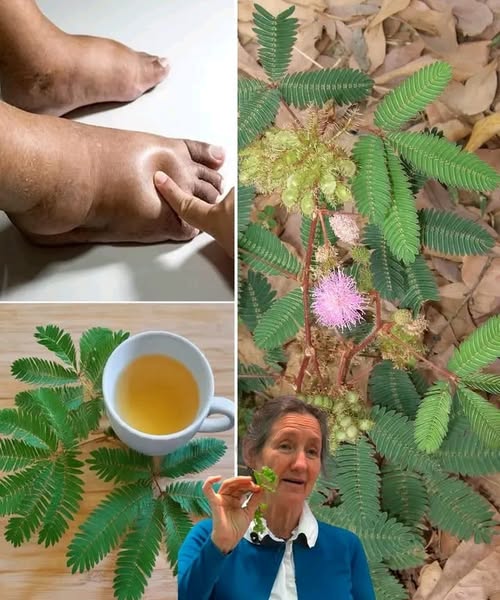
Imagine a plant that recoils at your touch, folding its delicate leaves as if guarding a secret. Mimosa pudica, known as the “sensitive plant” or “touch-me-not,” is more than just a botanical curiosity—it’s a treasure trove of medicinal wonders. Native to Central and South America but now thriving across tropical regions worldwide, this unassuming herb has been a cornerstone of traditional healing systems for centuries, from Ayurveda to indigenous remedies.
Its leaves, roots, and seeds hold a potent array of bioactive compounds that address everything from wounds to stress, making it a must-know plant for anyone seeking natural wellness. Let’s uncover the hidden powers of this shy yet mighty healer.
The Chemical Profile That Makes It Unique
The real charm of Mimosa pudica lies not just in its leaf-folding spectacle, but in its rich phytochemical composition. It contains:
Flavonoids – natural antioxidants that protect cells from damage.
Alkaloids – with antimicrobial and pain-relieving effects.
Tannins – astringent compounds that tighten tissues and help wound healing.
Mimosine – a unique amino acid with antiparasitic properties.
Together, these compounds give Mimosa pudica its wide-ranging therapeutic value.
Medicinal Properties of Mimosa Pudica
Backed by traditional use and modern science, Mimosa pudica is celebrated for:
Antimicrobial Strength – fights bacteria, fungi, and viruses.
Anti-inflammatory Action – reduces pain and swelling.
Antioxidant Boost – neutralizes harmful free radicals.
Astringent Power – stops bleeding and accelerates healing.
Antiparasitic Prowess – expels intestinal worms naturally.
Sedative Calm – eases anxiety and supports sleep.
Antidiarrheal Support – strengthens digestion and curbs diarrhea.
Health Benefits You Can Count On
