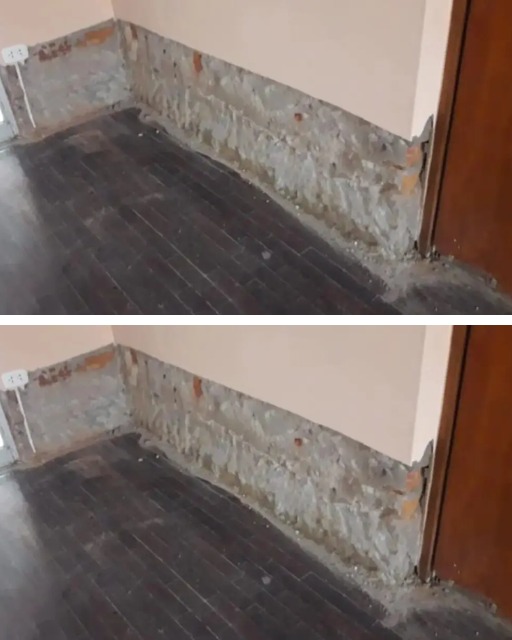
Mix one part white vinegar with one part water and apply it to the affected area using a sponge.
The mild acid in vinegar helps neutralize the salts and stop them from reappearing quickly.
Let the wall dry thoroughly before moving to the next step.
Step 3: Improve Ventilation and Reduce Moisture
Saltpeter forms due to excess moisture. Identify and fix the source—leaky pipes, roof issues, or rising damp.
Increase airflow in the room by opening windows, using fans, or installing a dehumidifier.
Ensure exterior walls have proper drainage to stop water from seeping inside.
Step 4: Protect and Refinish the Wall
Once the wall is completely dry, apply a special anti-saltpeter or anti-efflorescence primer before repainting or replastering.
Use breathable paints or plasters that allow moisture to escape without trapping salts.
Regularly check the area to catch any early signs of recurrence.
✅ Result: By removing, neutralizing, drying, and protecting, you not only clear away existing saltpeter but also prevent it from returning.
