Introduction
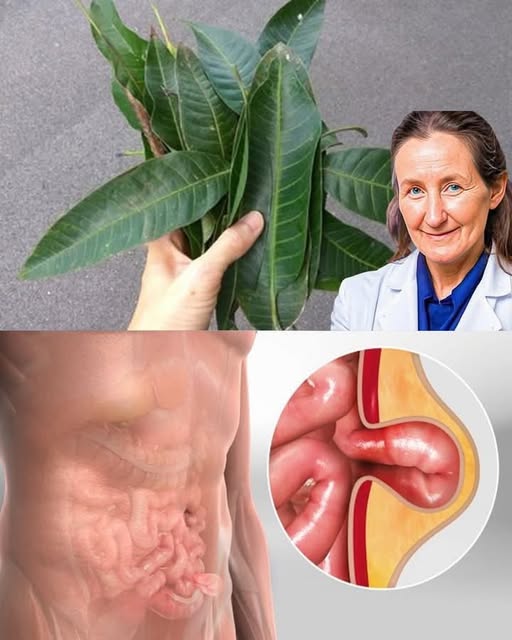
When most people think of mangoes, they picture the sweet, juicy fruit. But few realize that the leaves of the mango tree carry a treasure trove of healing benefits. Used in traditional remedies across Asia and Africa for centuries, mango leaves are packed with bioactive compounds, antioxidants, and natural enzymes that support health in surprising ways. Modern studies are beginning to uncover what traditional wisdom has known all along — mango leaves are more than just foliage; they’re nature’s overlooked miracle.
Nutritional and Healing Properties
Mango leaves contain polyphenols, flavonoids, tannins, and essential vitamins. These components give them anti-inflammatory, antibacterial, and antioxidant properties. They’ve been used traditionally to aid digestion, balance blood sugar, and even calm the nervous system.
Key Benefits of Mango Leaves
Supports Healthy Blood Sugar Levels
Mango leaves are widely known in traditional medicine to help regulate insulin and improve glucose utilization, making them a natural support for people managing diabetes.
Promotes Digestive Health
A tea made from mango leaves can soothe the stomach, reduce acidity, and support overall digestion.
Rich in Antioxidants
The high concentration of polyphenols and flavonoids fights oxidative stress, protecting your body’s cells from damage.
Calms Anxiety and Restlessness
Drinking mango leaf tea is believed to have a mild sedative effect, helping reduce stress and promoting better sleep.
Supports Heart Health
The antioxidants in mango leaves may help reduce blood pressure, improve circulation, and strengthen blood vessels.
Respiratory Relief
Traditionally, mango leaves have been used to ease symptoms of asthma, colds, and bronchitis.
How to Use Mango Leaves
1. Mango Leaf Tea
