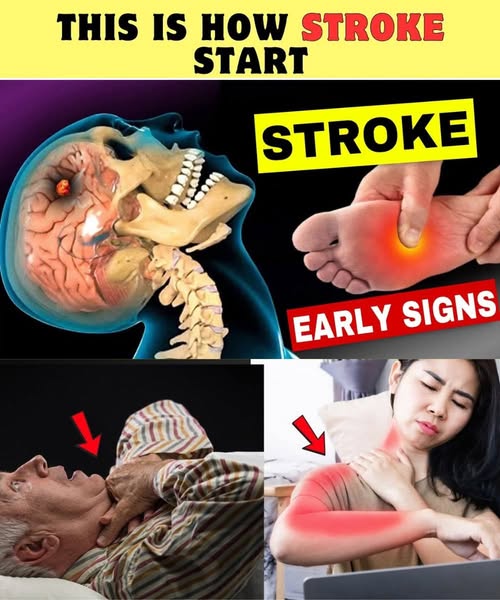
– Sudden memory issues, disorientation, or difficulty concentrating.
Facial Drooping – One side of the face may appear uneven, especially when smiling.
Unexplained Fatigue – Feeling unusually tired or weak without a clear cause.
Tip: Even mild or intermittent symptoms should never be ignored. Early intervention can significantly reduce stroke severity.
9 Powerful Tips to Prevent Stroke
Control Blood Pressure – Maintain healthy blood pressure levels through diet, exercise, and medication if prescribed.
Manage Diabetes – Keep blood sugar levels under control with regular monitoring, diet, and medication.
Maintain a Heart-Healthy Diet – Focus on fruits, vegetables, whole grains, lean protein, and healthy fats.
Exercise Regularly – Aim for at least 150 minutes of moderate activity per week.
Quit Smoking – Smoking greatly increases stroke risk. Seek cessation programs if needed.
Limit Alcohol – Drink in moderation, or avoid alcohol altogether.
Monitor Cholesterol Levels – High cholesterol can lead to plaque buildup in arteries; take steps to manage it.
Manage Stress – Chronic stress can negatively impact heart and brain health; practice relaxation techniques.
Stay Hydrated & Sleep Well – Proper hydration and 7–9 hours of sleep support overall vascular health.
Remember: Early recognition and prevention are the best strategies against stroke. Regular check-ups and healthy lifestyle choices can save your life.
