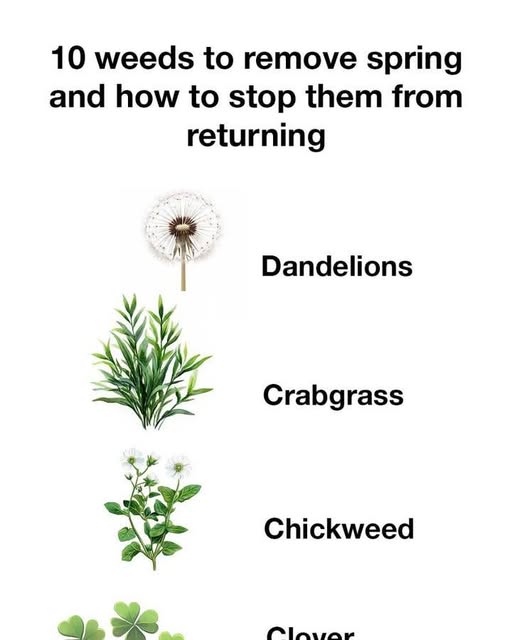
Identification: Low-growing, creeping stems with scalloped leaves.
Removal: Dig up roots or use targeted herbicide.
Prevention: Improve lawn drainage and prevent bare soil patches.
7. Nutsedge (Nutgrass)
Identification: Triangular stems, grass-like, grows in wet areas.
Removal: Pull carefully to remove underground tubers.
Prevention: Reduce excess moisture; apply sedge-specific herbicide if needed.
8. Bindweed (Morning Glory)
Identification: Twining vine with arrow-shaped leaves and white/pink flowers.
Removal: Pull repeatedly, removing as much root as possible.
Prevention: Cover bare soil with landscape fabric or mulch; cut back before flowering.
9. Thistle
Identification: Spiny leaves, purple flower heads.
Removal: Dig out entire root. Gloves recommended.
Prevention: Mow regularly and maintain thick lawn or garden plants to block sunlight.
10. Henbit
Identification: Low-growing, square stems, purple flowers.
Removal: Hand-pull before seeds develop.
Prevention: Mulch and maintain healthy lawn to crowd out seedlings.
General Tips to Prevent Weeds from Returning
Mulching: Apply 2–3 inches around garden plants to block sunlight for weed seeds.
Proper Lawn Care: Fertilize, mow, and water appropriately to promote dense turf.
Regular Inspection: Remove weeds as soon as you spot them to prevent seeding.
Soil Health: Aerate and amend soil; healthy soil supports strong plants that outcompete weeds.
Landscape Fabric: Use in garden beds for long-term weed suppression.
